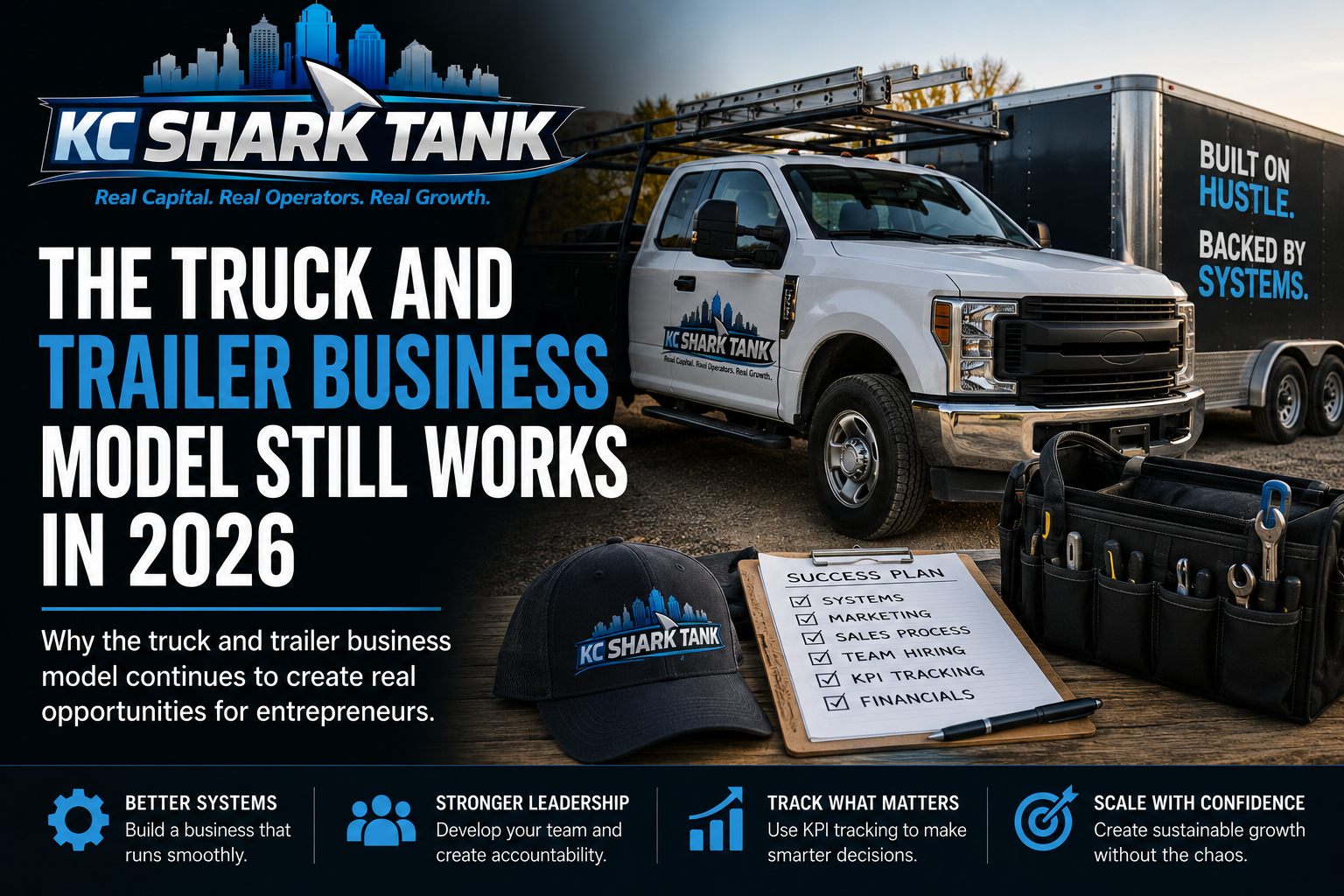
The Truck and Trailer Business Model Still Works in 2026
Despite changing technology, economic uncertainty, and increased competition, the truck and trailer business model still creates massive opportunity in 2026.
In fact, many of the most successful home service companies started with nothing more than a truck, a trailer, basic equipment, and a willingness to work harder than everyone else.
Although social media often glamorizes startups backed by venture capital and flashy technology, blue collar entrepreneurship continues producing real wealth across America. More importantly, service businesses solve everyday problems that homeowners and businesses consistently need help addressing.
Because of this, entrepreneurs willing to build strong systems and long-term operational discipline still have enormous opportunities available today.
KC Shark Tank was built to help entrepreneurs transform small startup operations into scalable service businesses with stronger leadership, systems, and accountability.
Why Service Businesses Continue Thriving
Many industries experience constant disruption. However, home service businesses continue operating in markets with consistent long-term demand.
For example, homeowners will always need:
- Foundation repair
- Roofing
- Plumbing
- HVAC service
- Landscaping
- Electrical work
- Concrete repair
- Tree service
- Junk removal
- Remodeling
Unlike many online businesses, these services cannot easily be outsourced overseas or fully automated.
Consequently, local service companies continue creating strong opportunities for entrepreneurs who are willing to operate consistently and professionally.
At the same time, many older operators are retiring, which creates additional opportunities for younger entrepreneurs entering the market.
Why Most Truck and Trailer Businesses Fail
Although opportunities remain strong, many startup companies still fail during the early growth phase.
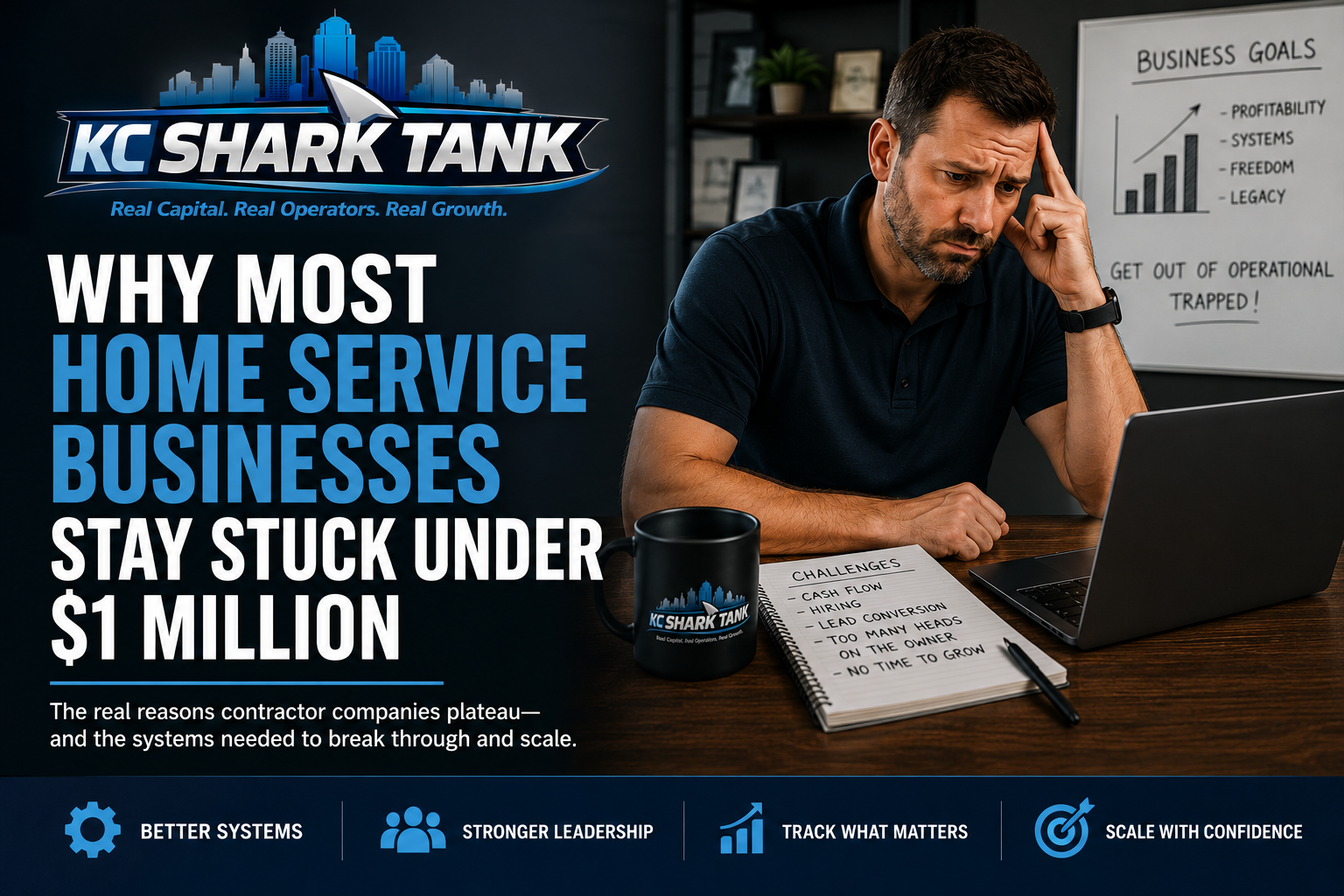
Unfortunately, most failures are not caused by lack of effort. Instead, many entrepreneurs struggle because they never build scalable operational systems.
For example, common problems include:
- Weak pricing strategy
- Poor scheduling
- Limited follow-up
- No KPI tracking
- Weak hiring processes
- Inconsistent marketing
- Cash flow problems
- Poor customer communication
- Lack of accountability
- Owner burnout
Initially, hustle can compensate for weak systems. Eventually, however, growth exposes operational inefficiencies that become difficult to manage.
As a result, many owners become trapped inside daily operations rather than building scalable companies.
Home Service Business Growth Requires Systems
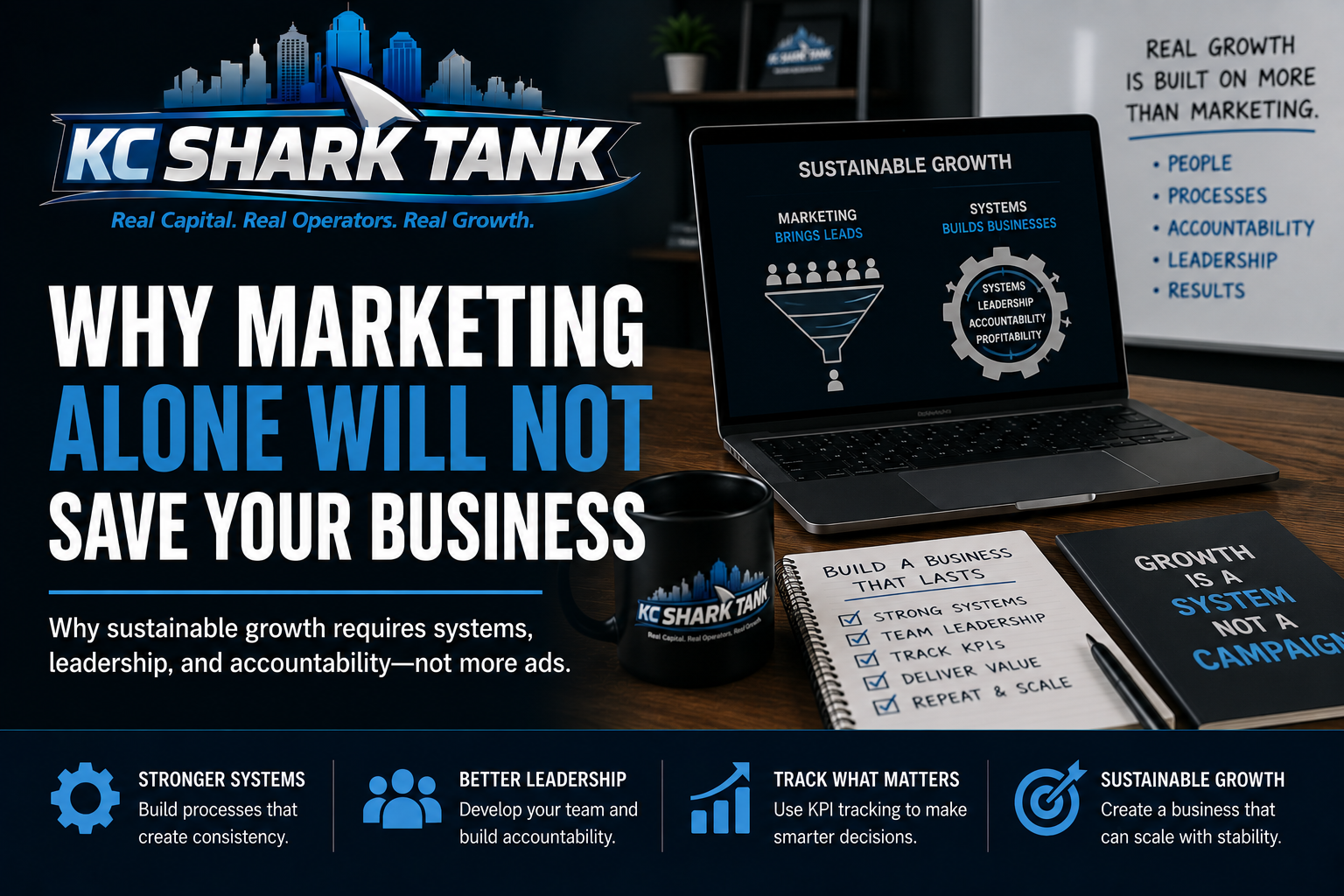
Many entrepreneurs mistakenly believe hard work alone guarantees long-term success. However, scalable businesses are built through systems, leadership, and operational structure.
Because of this, successful companies typically implement:
- Sales systems
- Customer communication systems
- Hiring systems
- KPI tracking
- Marketing systems
- Team accountability
- Financial controls
- Production processes
- Standard operating procedures
More importantly, these systems allow owners to focus on growth rather than constantly reacting to daily problems.
Consequently, businesses with repeatable operational structures often scale much more efficiently than businesses relying entirely on hustle.
Entrepreneurs interested in building stronger operational systems can explore the Business Growth Services available through the platform.
Why Leadership Separates Small Operators From Real Businesses
In the beginning, many owners personally handle every part of the company. For example, they answer phones, run estimates, schedule jobs, manage crews, and solve customer issues themselves.
Although this approach may work temporarily, it eventually creates operational bottlenecks.
Over time, businesses that depend entirely on the owner struggle to scale because decision-making becomes centralized around one person.
Therefore, leadership development becomes essential for long-term growth.
Strong service companies typically develop:
- Team accountability
- Leadership structure
- Defined operational roles
- Sales processes
- Hiring standards
- Customer service expectations
- Financial discipline
- Company culture
Likewise, businesses with stronger leadership systems often experience lower employee turnover and more predictable operational performance.
Marketing Still Matters in 2026
Even great companies struggle if nobody knows they exist.
Because of this, modern truck and trailer businesses must invest in:
- SEO strategy
- Google Business Profile optimization
- Customer reviews
- Social media consistency
- Referral systems
- Paid advertising
- Helpful website content
- Brand positioning
According to Google Search Central, helpful content and strong website structure remain essential for long-term online visibility.
Additionally, the U.S. Small Business Administration emphasizes the importance of operational planning and financial management for sustainable business growth.
At the same time, marketing alone will not solve operational problems. Instead, successful businesses improve both marketing and systems together.
Why KPI Tracking Matters for Small Service Businesses
Many entrepreneurs avoid tracking numbers during the startup phase. However, measurable data becomes increasingly important as businesses grow.
Specifically, KPI tracking helps entrepreneurs understand:
- Lead conversion rates
- Cost per lead
- Revenue per employee
- Gross profit margins
- Marketing ROI
- Sales close percentages
- Production efficiency
- Customer acquisition cost
As a result, business owners gain clearer visibility into operational performance and profitability.
Furthermore, KPI tracking creates accountability throughout the organization while improving long-term decision-making.
The Biggest Opportunity Still Belongs to Operators
Many people spend years overthinking business ideas while avoiding action.
Meanwhile, operators willing to consistently show up, improve systems, and serve customers professionally often build highly profitable businesses over time.
In fact, many successful entrepreneurs started with:
- One truck
- One trailer
- Limited equipment
- Small budgets
- Long hours
- Simple marketing
- Relentless consistency
Although the startup phase can be difficult, scalable systems and operational discipline create long-term opportunities for growth.
Fortunately, service businesses still provide one of the clearest paths toward entrepreneurship for people willing to work consistently and think long term.
Mini FAQ About Truck and Trailer Businesses
Is the truck and trailer business model still profitable?
Yes. Home service businesses continue experiencing strong demand in many local markets throughout the country.
Why do many service businesses fail?
In many cases, companies fail because they lack systems, leadership structure, KPI tracking, financial discipline, and operational accountability.
What is the biggest challenge for startup service businesses?
Operational organization is often the biggest challenge. Specifically, owners frequently become overwhelmed without scalable systems in place.
Why is leadership important in service businesses?
Leadership creates accountability, operational consistency, team development, and stronger customer experiences.
Where can entrepreneurs learn more?
Entrepreneurs can learn more through the About KC Shark Tank or connect directly through the Contact Page.
Final Thoughts
The truck and trailer business model still works in 2026 because service businesses continue solving real-world problems people consistently need help addressing.
Ultimately, long-term success depends on far more than hard work alone. Instead, sustainable growth requires leadership, accountability, systems, KPI tracking, marketing discipline, and operational structure.
In the long run, entrepreneurs willing to build scalable systems and consistently improve operations often create businesses capable of generating both financial freedom and long-term stability.